Start charging smarter. Compare every option.
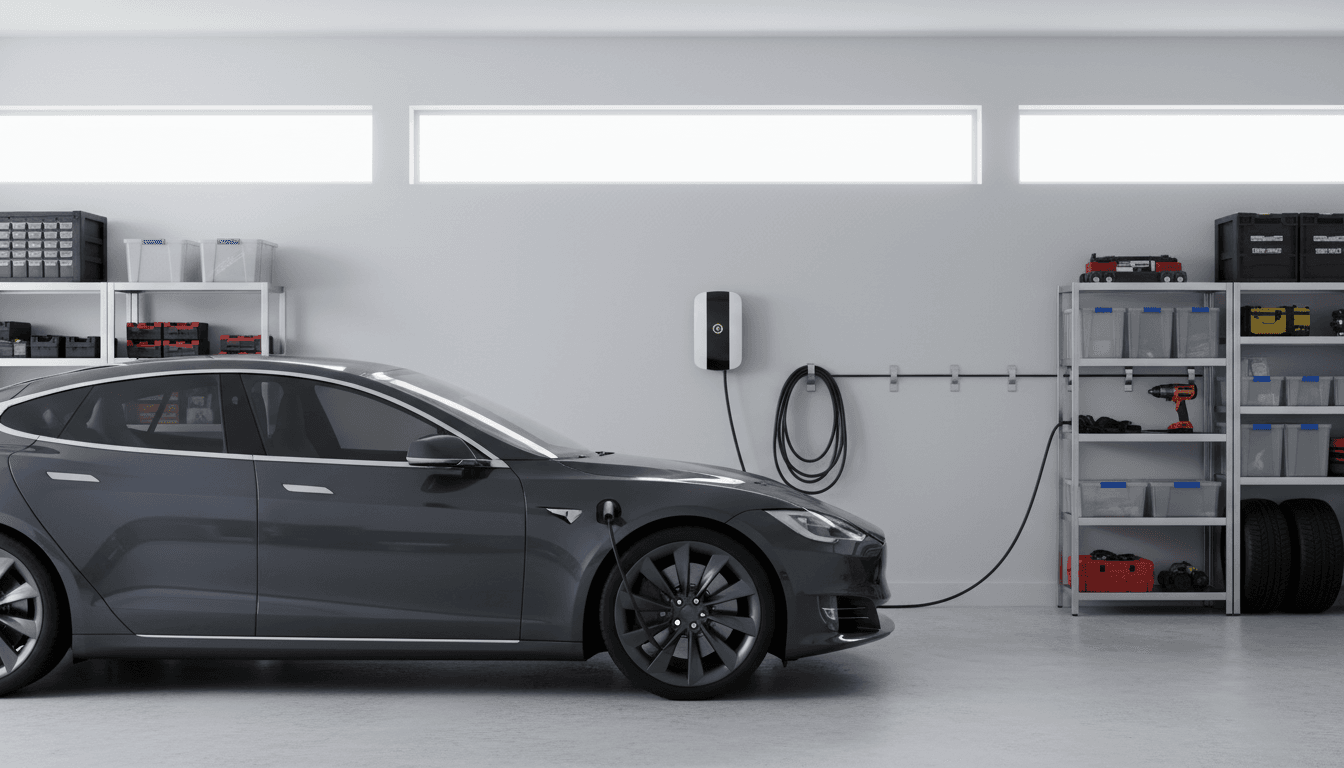
We break down home, public, and fast-charging setups so you know what fits your drive.
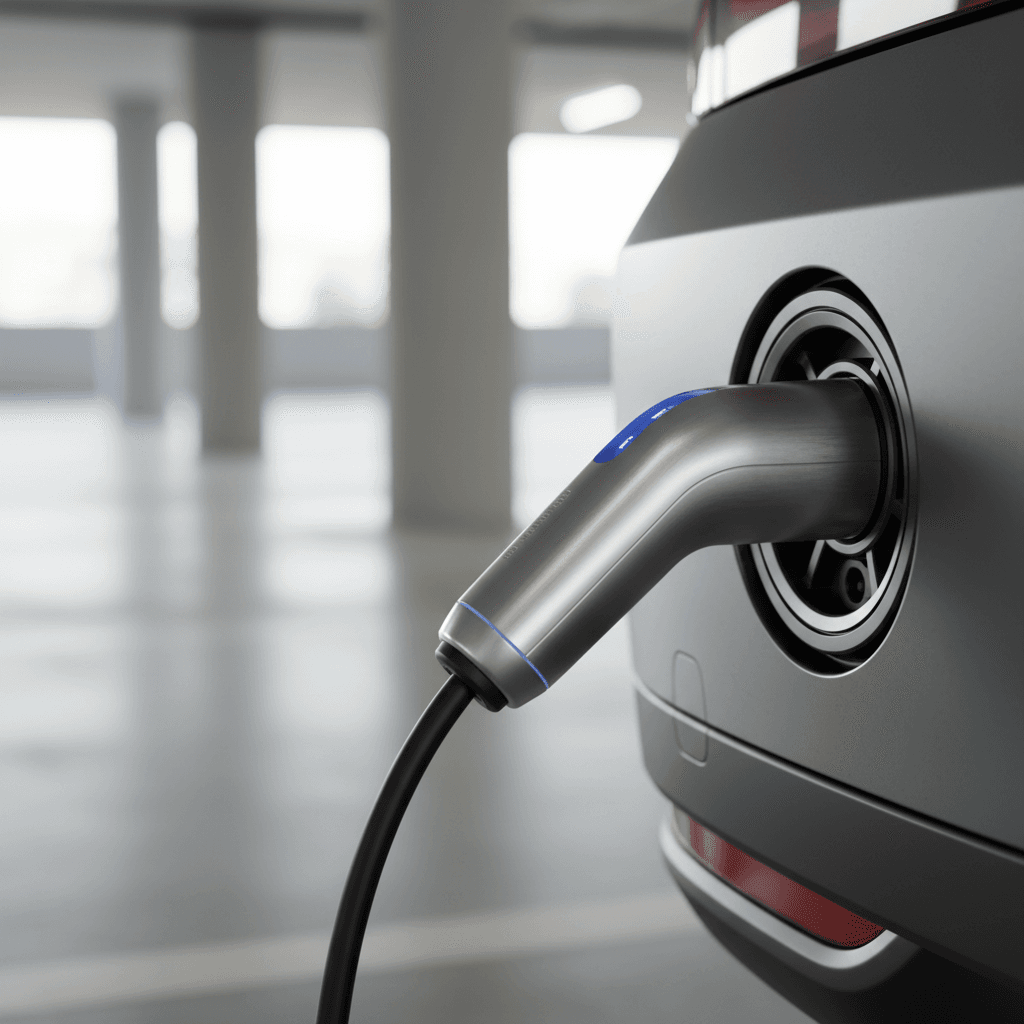
Level 1, Level 2, and DC fast charging explained
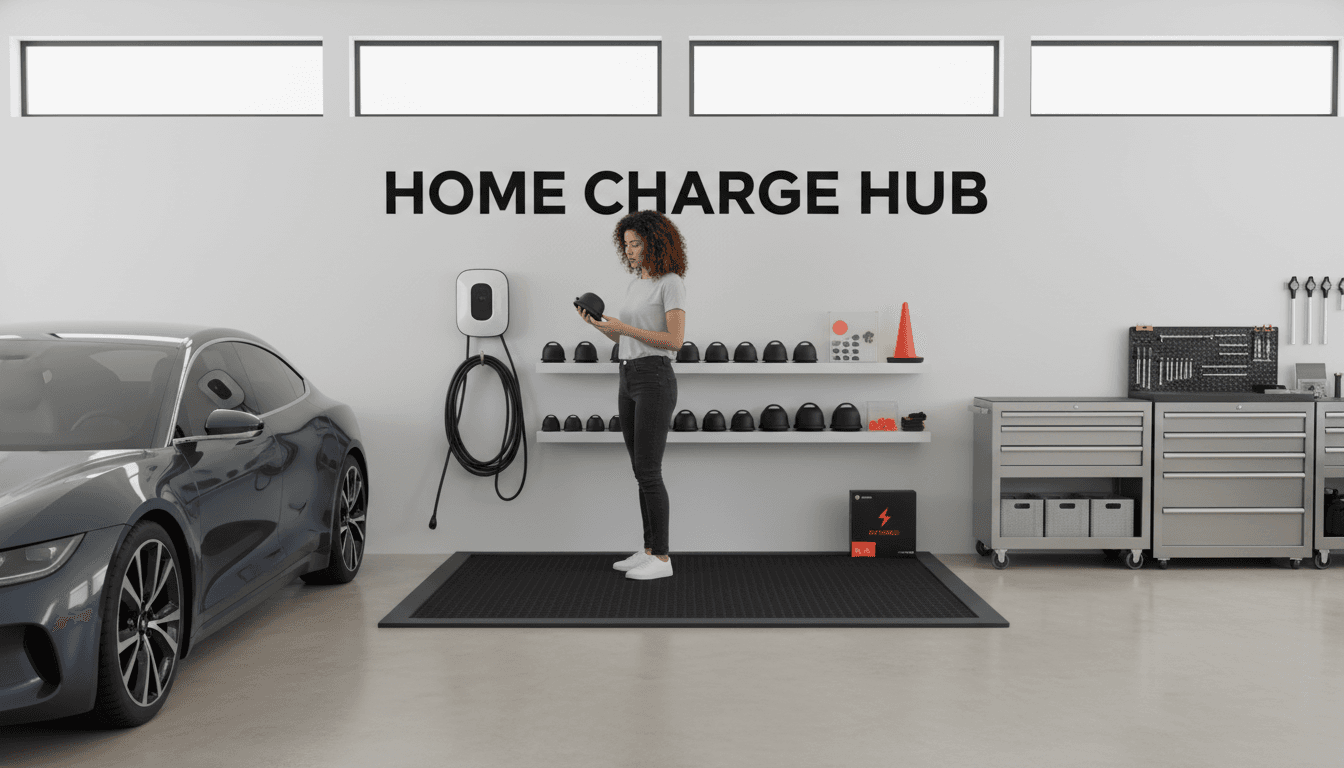
Home outlets work for overnight top-ups, but faster options exist for road trips. We compare each level so you know what fits your driving habits and your setup.
Where to charge and what to expect when you get there
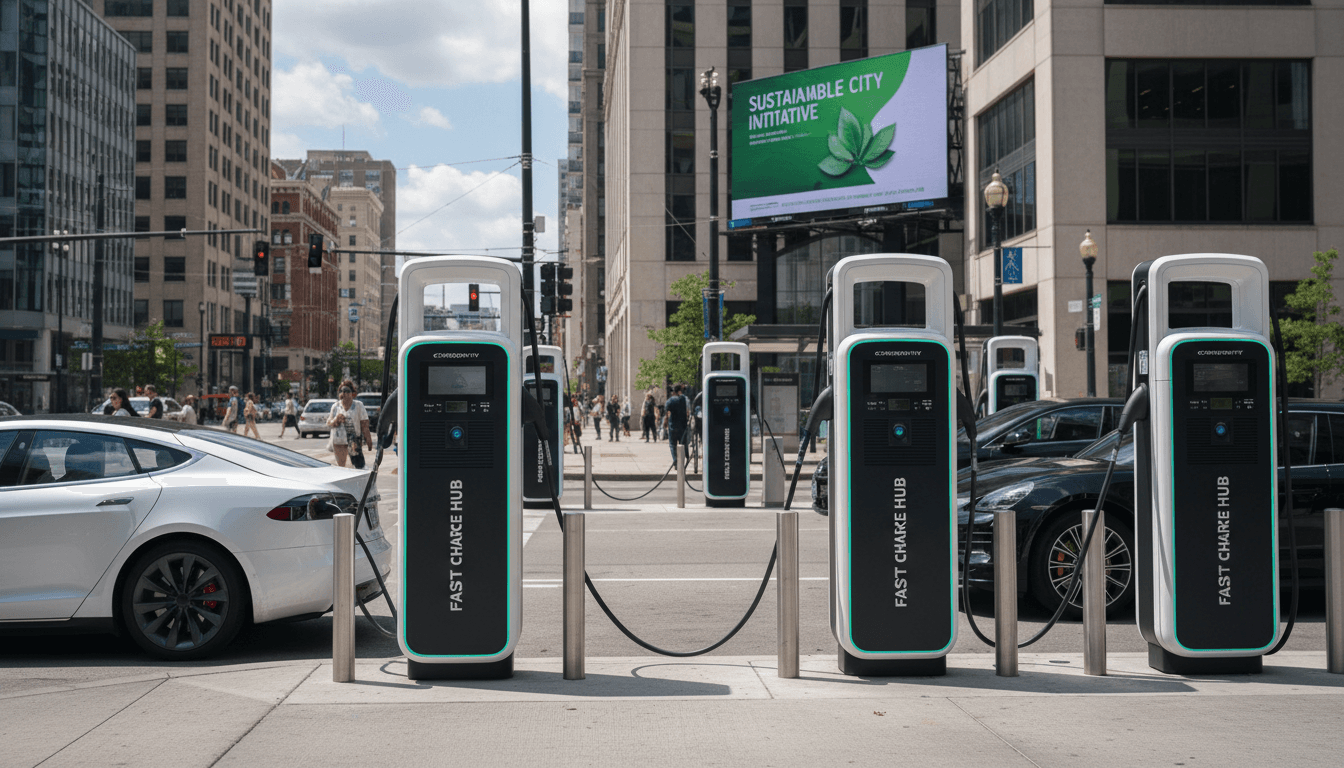
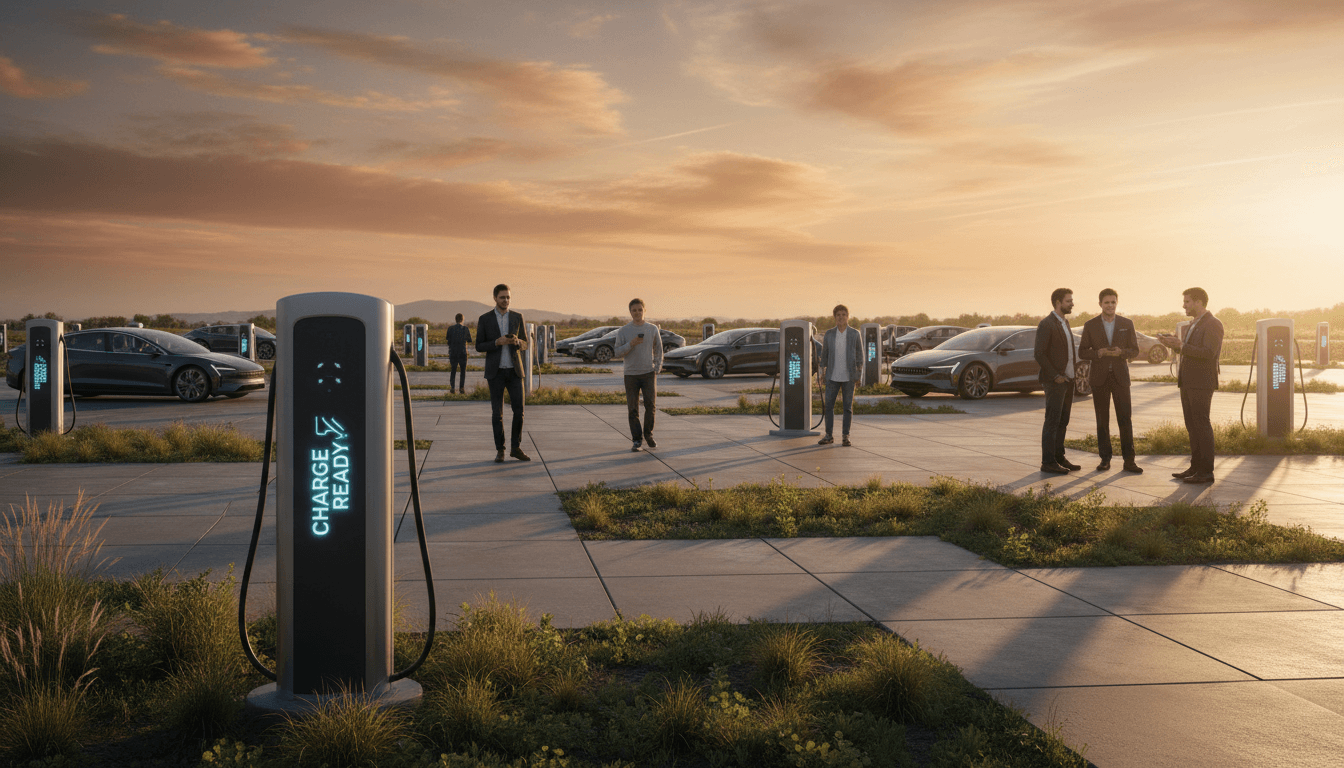
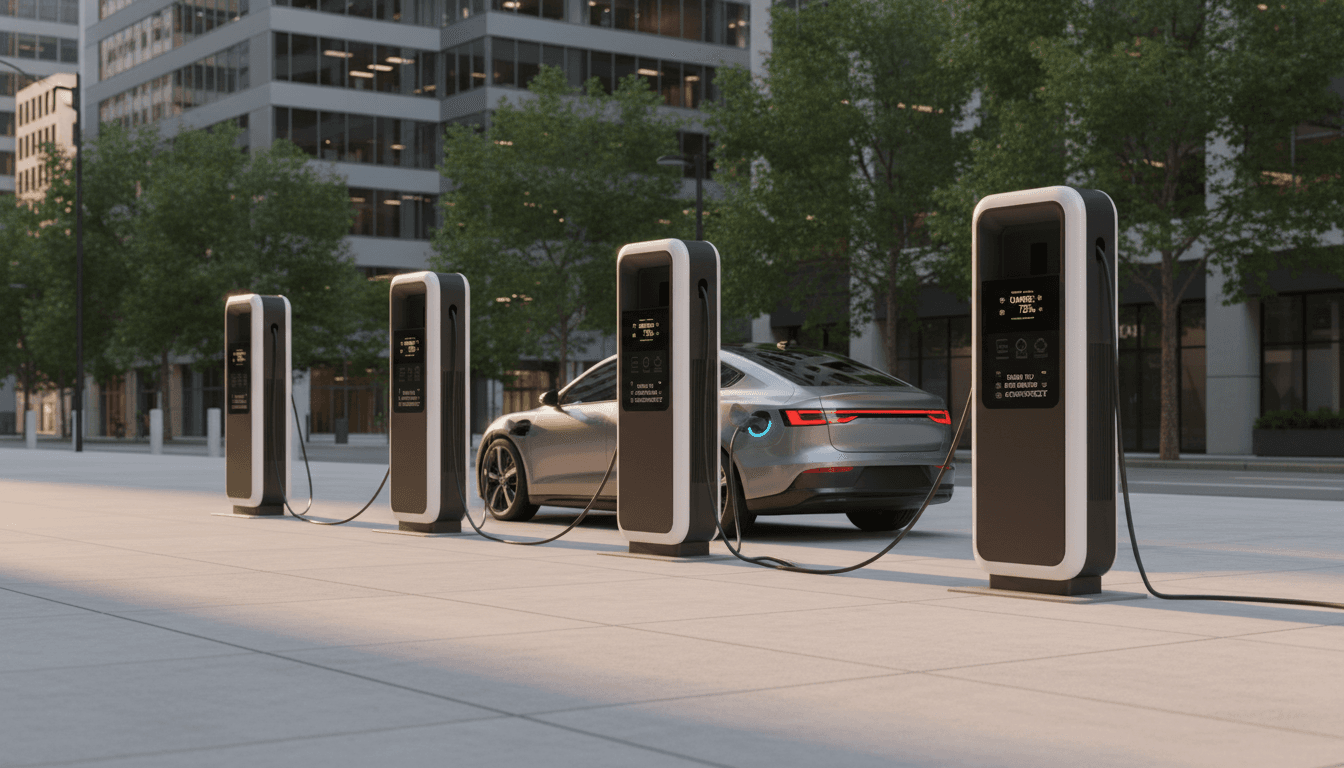
Public charging stations vary in speed, connector type, and cost. We walk through the main networks so you know what you are plugging into before you arrive.
Level 2 public stations
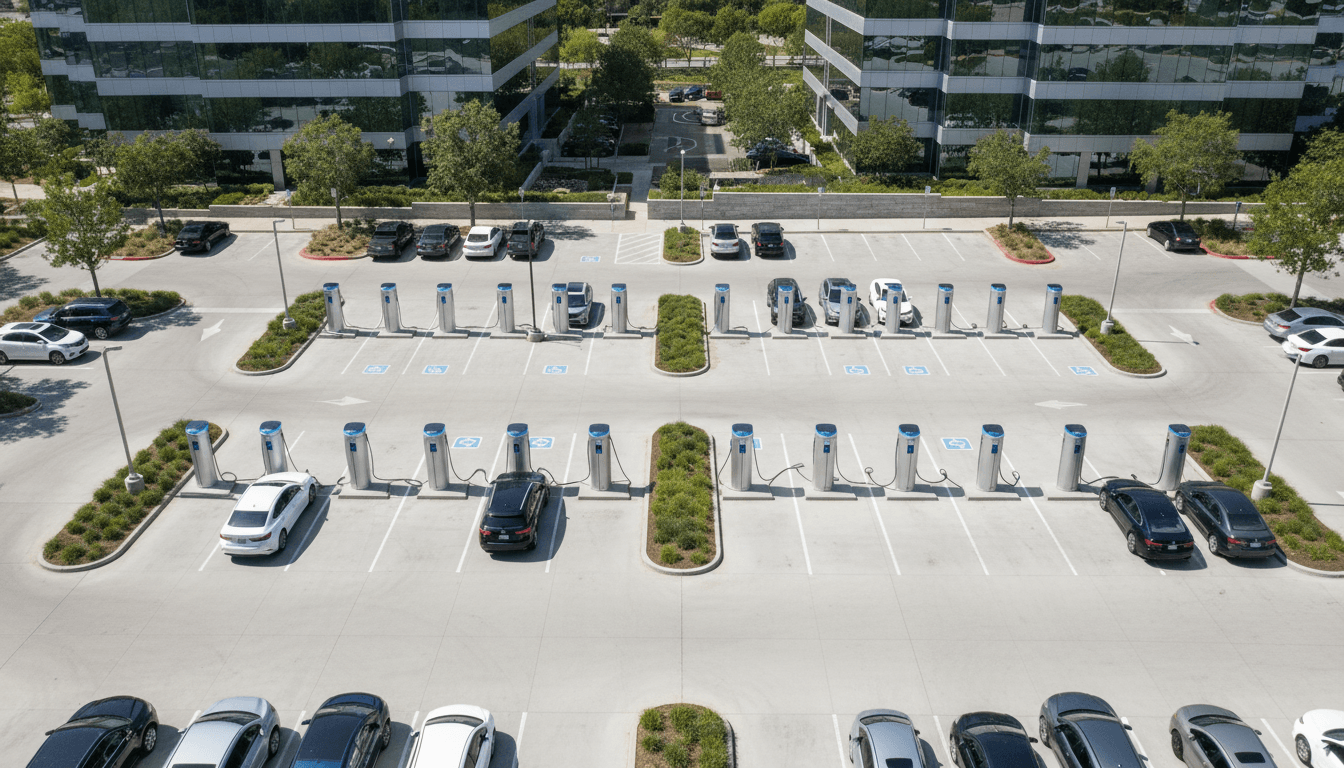
Found at shopping centers and parking garages. Adds about 25 miles of range per hour.
DC fast charging networks
Stations like Electrify America and EVgo. Adds 100 to 200 miles in about 20 minutes.
Tesla Supercharger access
The largest reliable network. Newer stations now open to non-Tesla EVs with adapters.
Network apps and payment
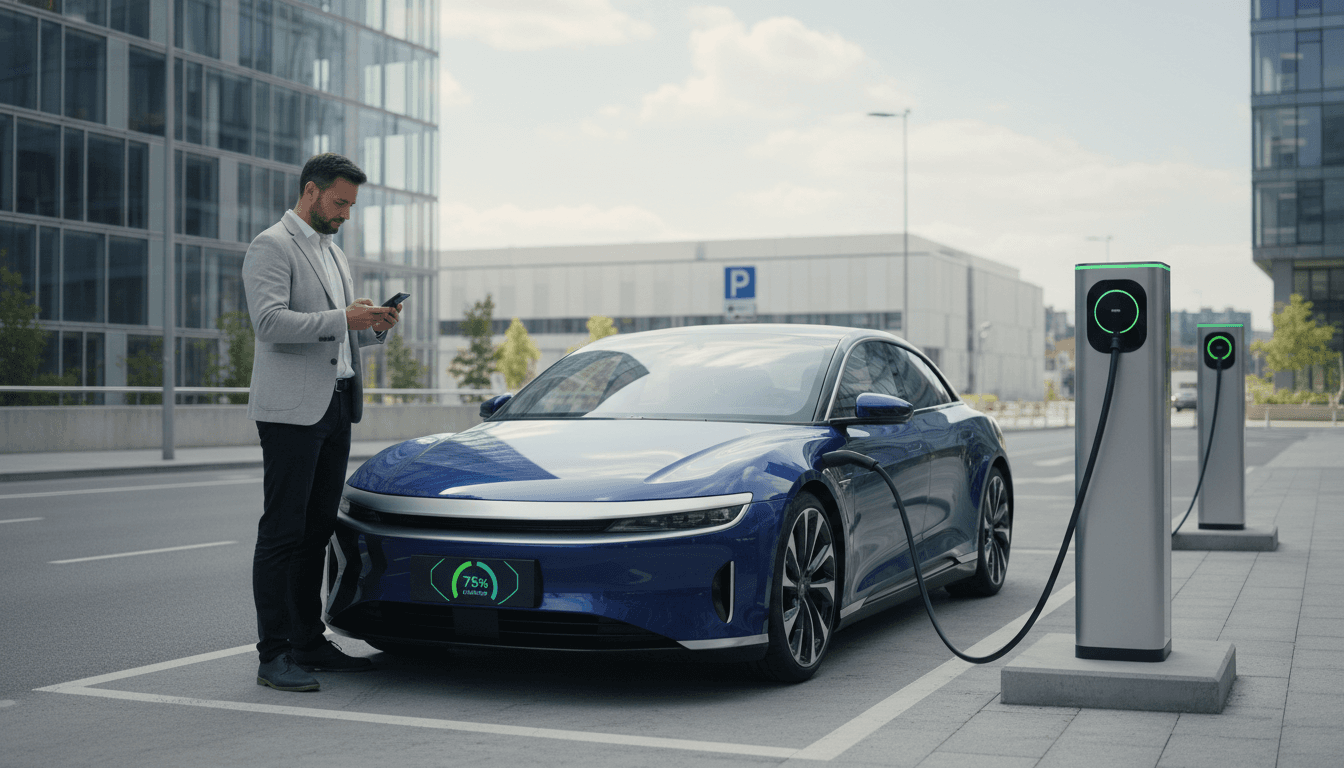
Most stations accept credit cards or app payments. We compare per-kWh and per-minute pricing.
Faster isn't always better
Charging speed matters, but so does your battery's long-term health. Here's what the numbers actually mean for your daily drive.
250+
Miles per hour
Top DC fast chargers add that much range in 60 minutes.
20-80%
Sweet spot charge
Fast charging slows down after 80% to protect battery life.
3-10
Miles per hour
A standard household outlet delivers about this much range.
30-60
Minutes to 80%
Typical DC fast charging session from nearly empty.
The hardware behind every charge
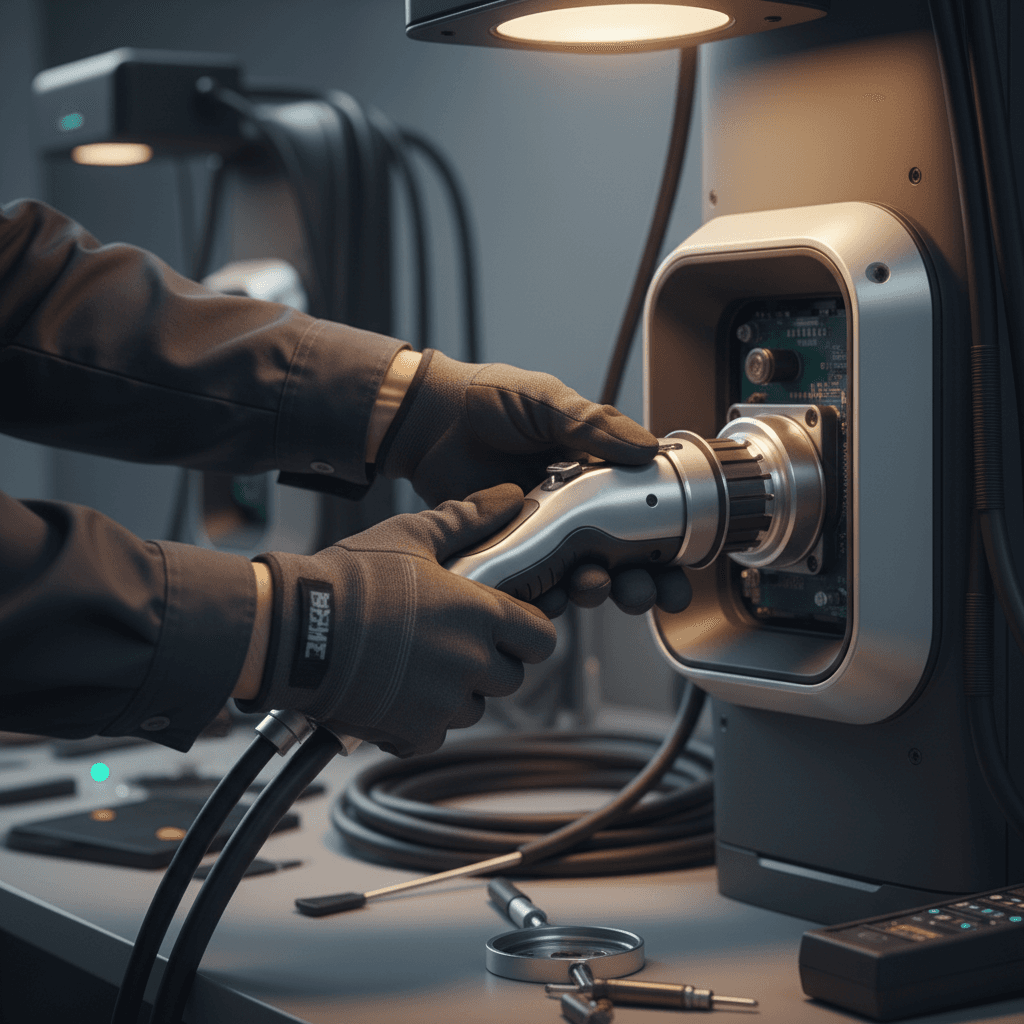
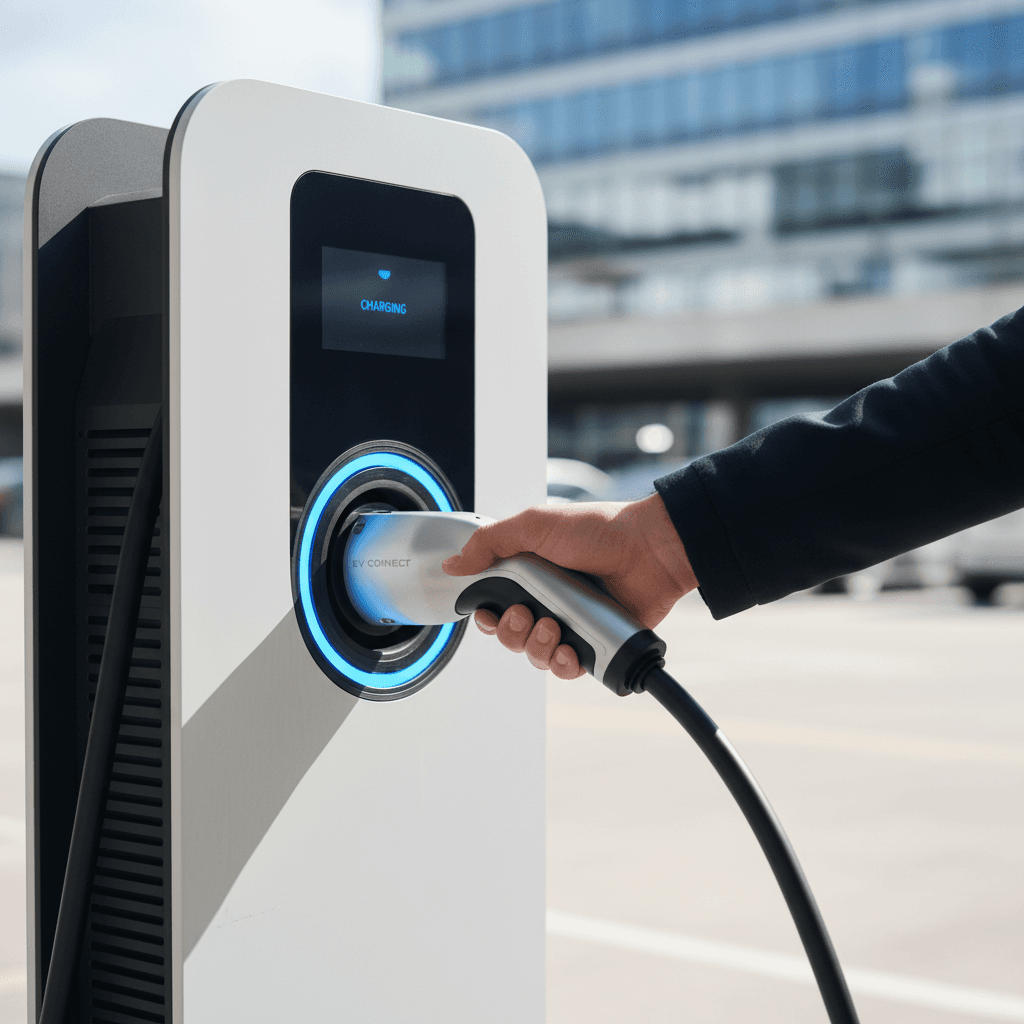
From compact home units to high-speed DC stations, here is what the equipment actually looks like and how it fits into your routine.