
Start your EV research here
EV specs are compared, charging options are broken down, and real ownership costs are laid out. No spin, just facts.
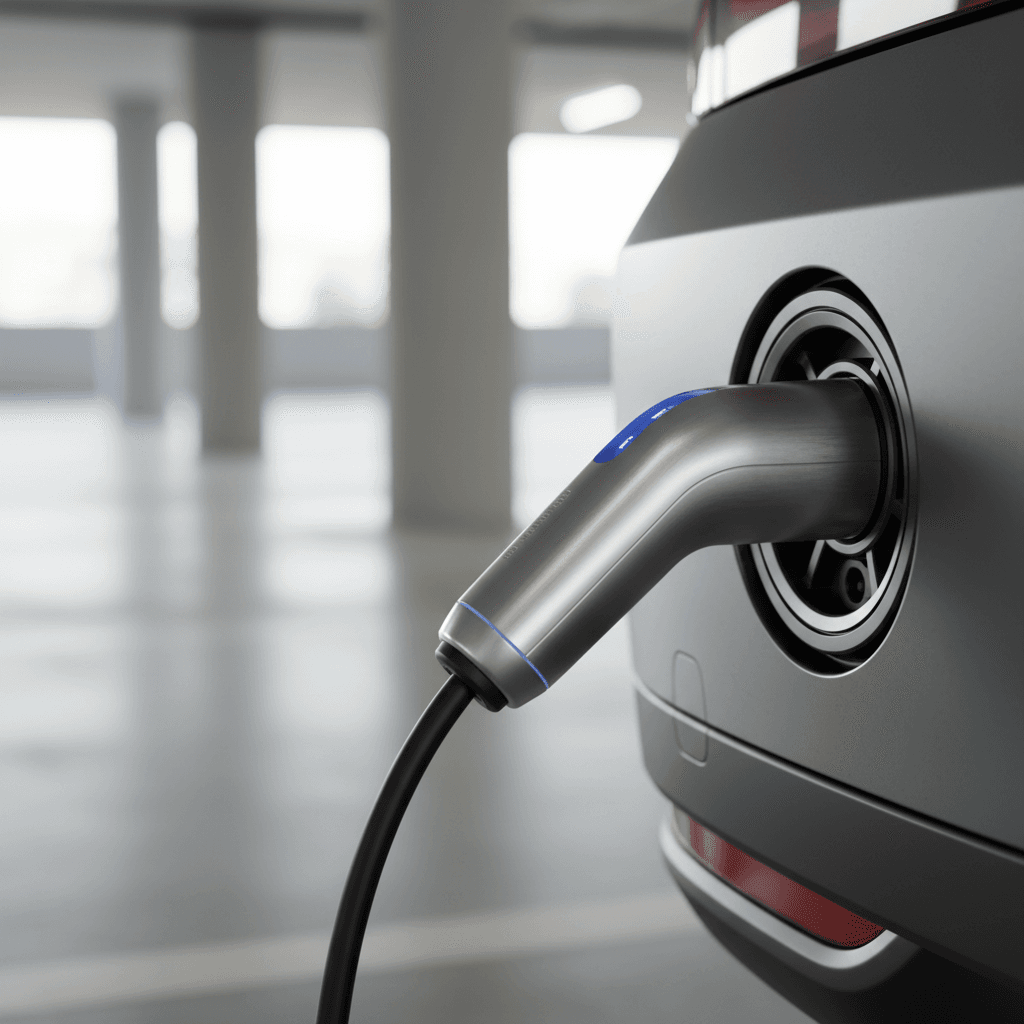
What does a real EV buying guide actually do?
Cutting through the noise to highlight the numbers that matter: range, charge time, and total cost of ownership. No fluff, no agenda — just the data needed to decide.
The hands that sort the specs and write the guides
Small team, sharp focus. Every buying guide, cost breakdown, and charger comparison on this site runs through one person's research and a shared standard of thoroughness.

Founder & Lead Analyst
Mark Ramirez
Mark spends his days comparing EV range numbers, charge curves, and real-world ownership costs so you don't have to. No agenda, just the data.

Research Editor
Lena Chen
Lena fact-checks every charging station location, warranty clause, and incentive deadline before it reaches a guide. Precision is her baseline.
Over 20 detailed buying guides published
Range, charge time, and ownership costs broken down so you can compare models with confidence.
12+
EV models compared
Side-by-side specs for range, battery size, and real-world performance.
8+
Charging stations reviewed
Level 2 and DC fast chargers rated on speed, reliability, and location.
6+
Cost breakdowns completed
Total ownership costs — purchase price, tax credits, maintenance, and electricity.
Honest answers about EV ownership
The numbers are broken down so you can decide what fits your driving.
How much does it really cost to charge an EV at home?
It depends on your local electricity rate and your car's battery size. A typical EV costs $10 to $15 for a full charge at home, which is roughly half the cost of a tank of gas. We break down the math for your specific model in our buying guides.
What happens when the battery degrades over time?
All lithium-ion batteries lose capacity gradually—usually about 1 to 2 percent per year. Most manufacturers offer an eight-year or 100,000-mile warranty on the battery. You won't notice a major drop in daily range for many years.
Do I need a special charger in my garage?
You can charge on a standard 120-volt outlet, but a Level 2 charger adds about 25 miles of range per hour versus 4 miles. Many homeowners install a Level 2 unit. We explain the cost and installation steps in our charging guides.
What if I can't charge at home — can I still own an EV?
Yes, if you have reliable public charging nearby. Workplaces, supermarkets, and fast-charging stations along major routes can cover daily needs. We map out the public charging network in our resources.
How long does a full charge take on a road trip?
Fast chargers (DC) can bring most EVs from 10 to 80 percent in 30 to 45 minutes. That's about the time you'd take for a coffee and restroom break. We compare charge speeds across models so you know what to expect.
Is an EV actually cheaper to own over five years?
Usually yes. Lower fuel costs, fewer moving parts, and reduced maintenance (no oil changes, no timing belts) typically offset a higher upfront price. Our ownership cost guides show the five-year total for each model.
Key takeaways at a glance
Every answer is backed by the same straight numbers used throughout the guides.