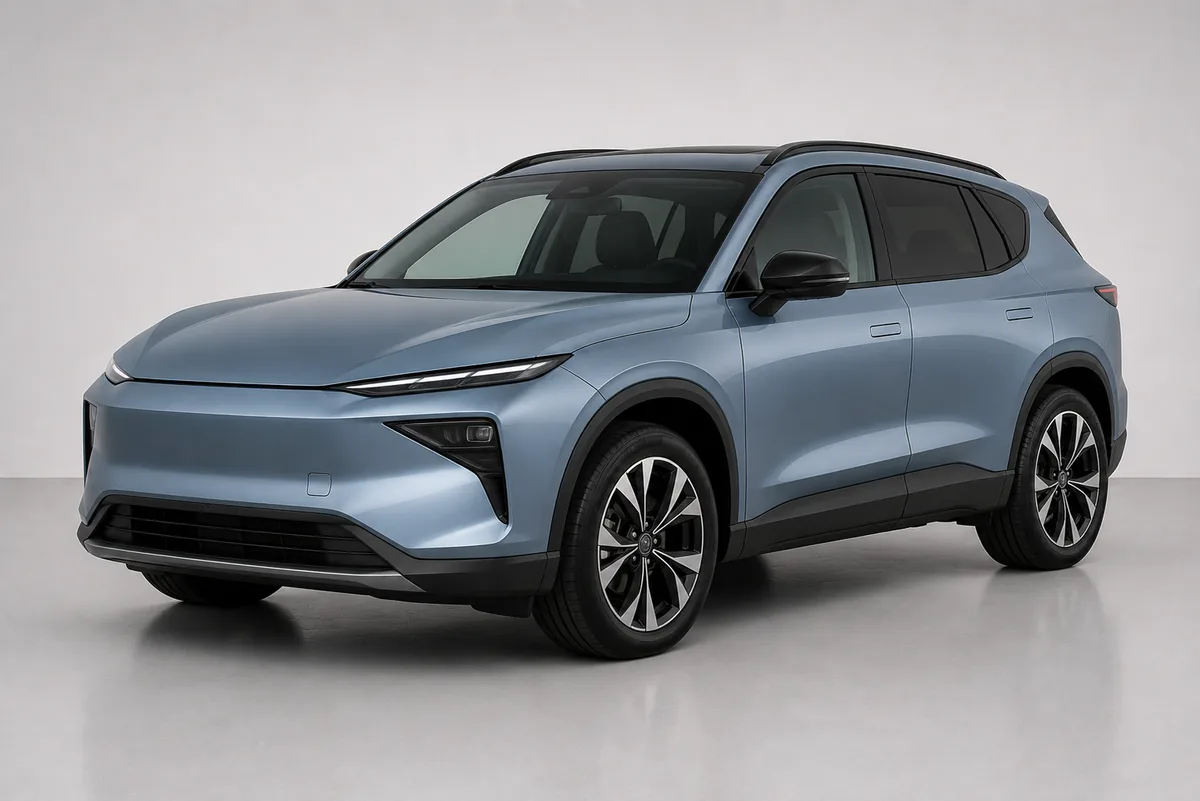
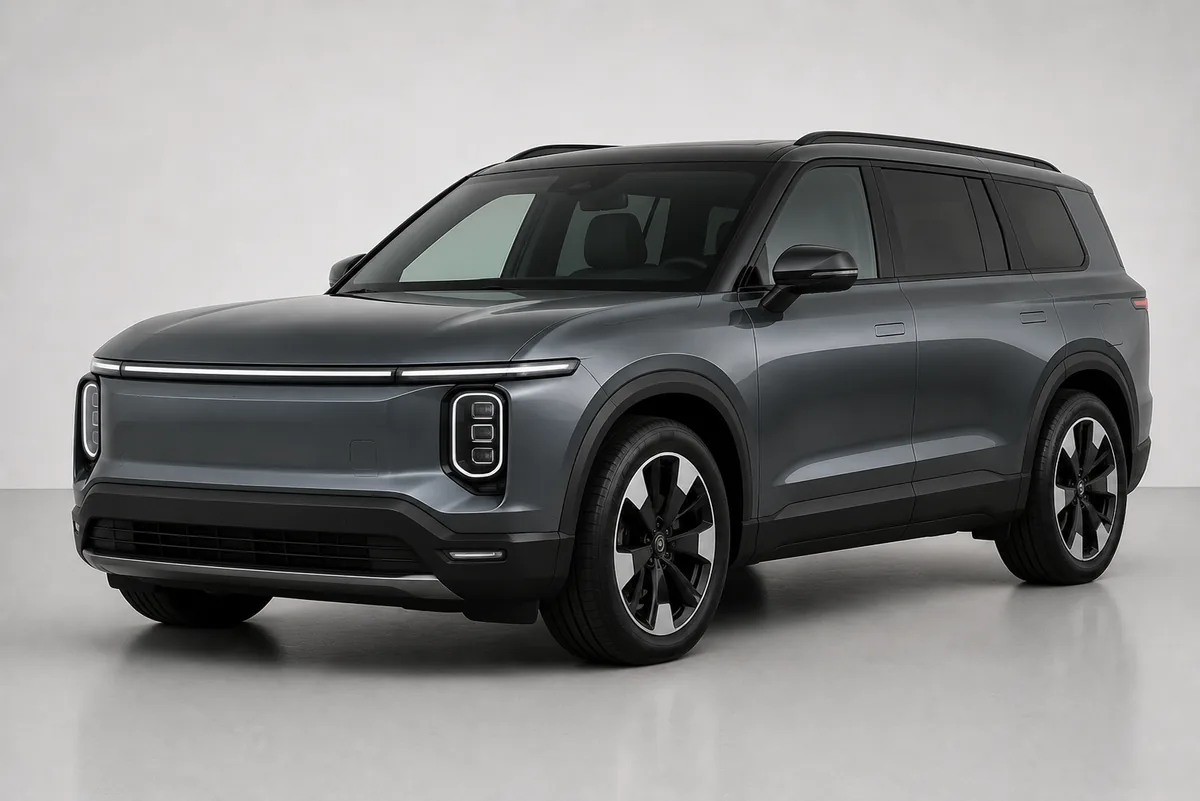
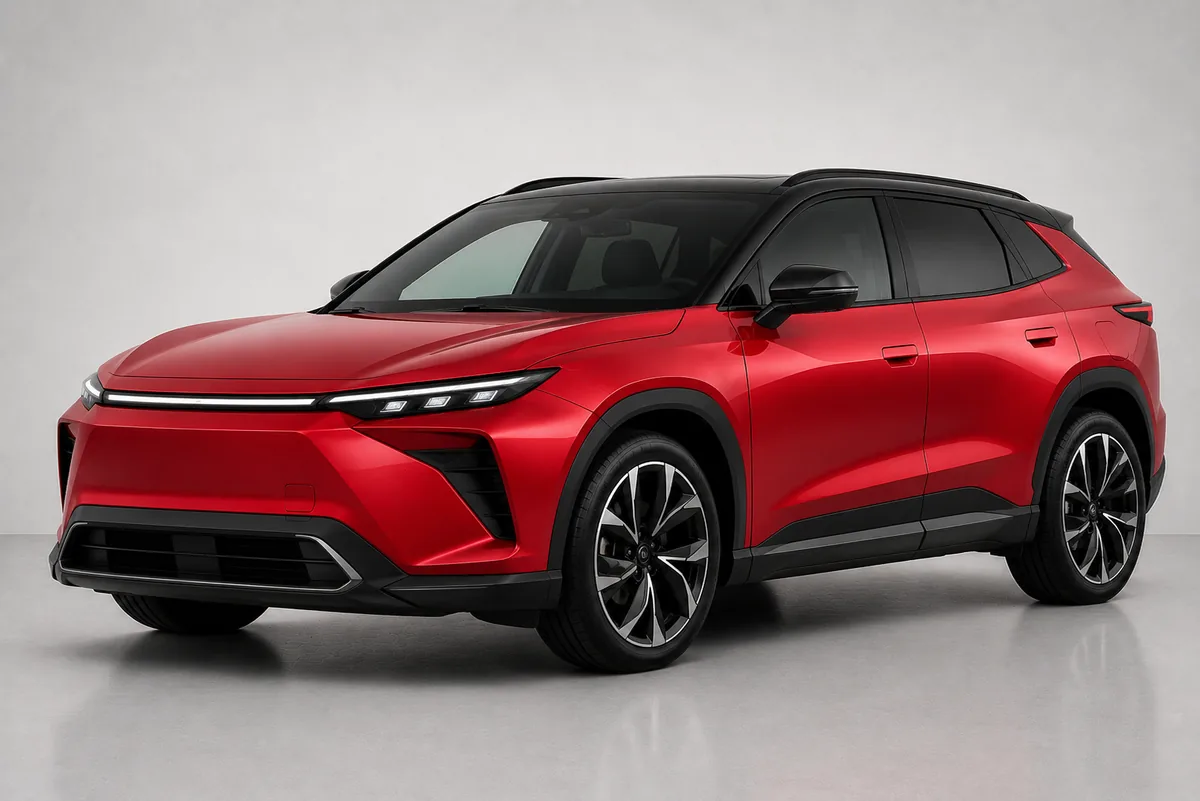
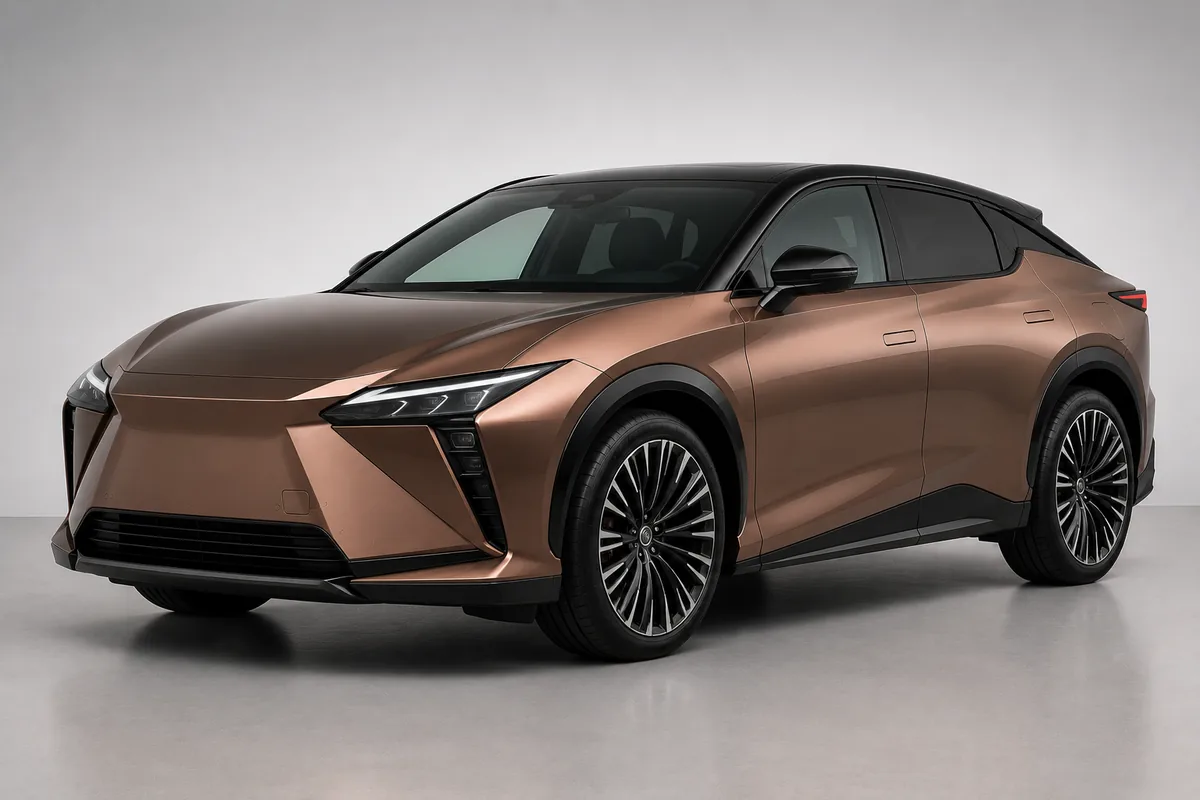
Key facts side by side — pricing, EPA range, charging and what each vehicle does best — so you can find the right EV for your lifestyle.
1
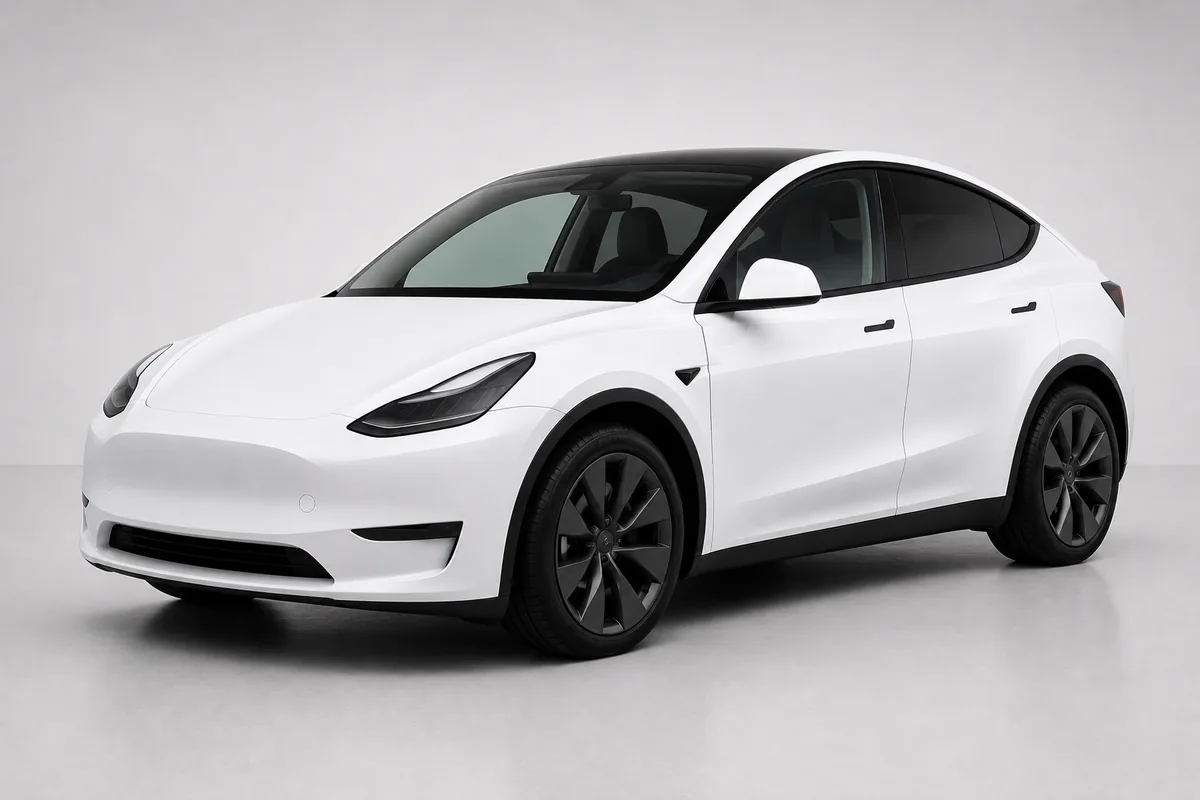
Tesla Model Y
America's best-selling EV pairs practical SUV space with access to the Supercharger network.
Pros
- Supercharger network
- Roomy, flexible cargo area
- Strong resale value
Cons
- Firm ride quality
- Minimalist controls take adjusting
2
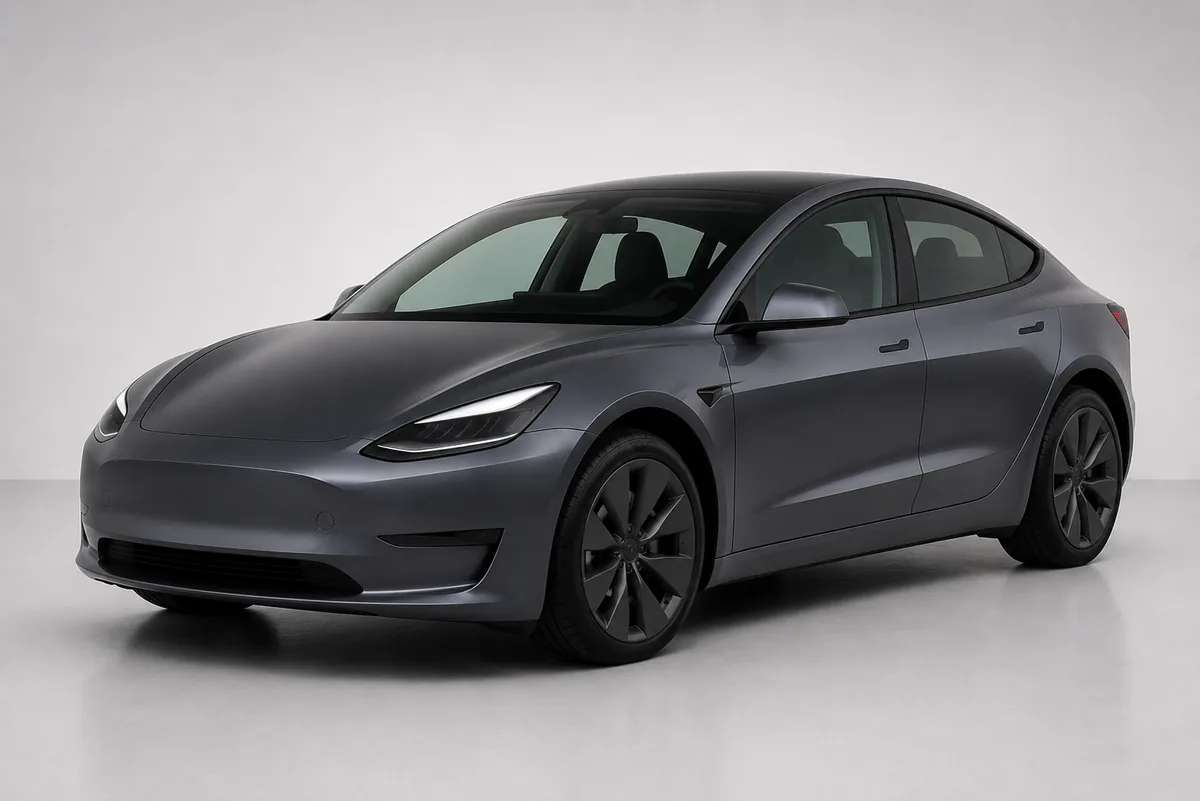
Tesla Model 3
A refined, efficient sedan with the longest EPA range in this guide.
Pros
- Longest range here
- Excellent efficiency
- Fast, simple charging
Cons
- Low seating position
- Stalkless controls divide opinion
3
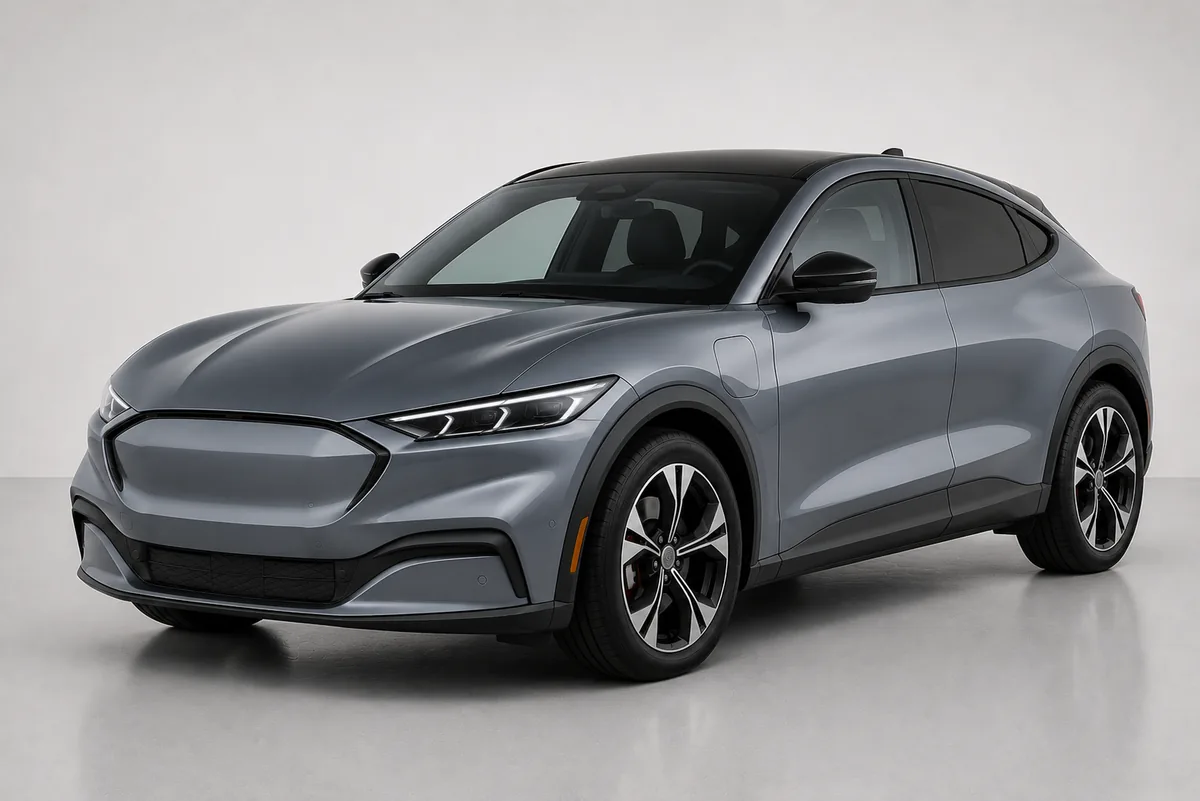
Ford Mustang Mach-E
A sporty crossover that blends Mustang character with everyday practicality.
Pros
- Engaging to drive
- Spacious cabin and frunk
- Competitive pricing
Cons
- Slower DC fast charging
- Infotainment learning curve
4
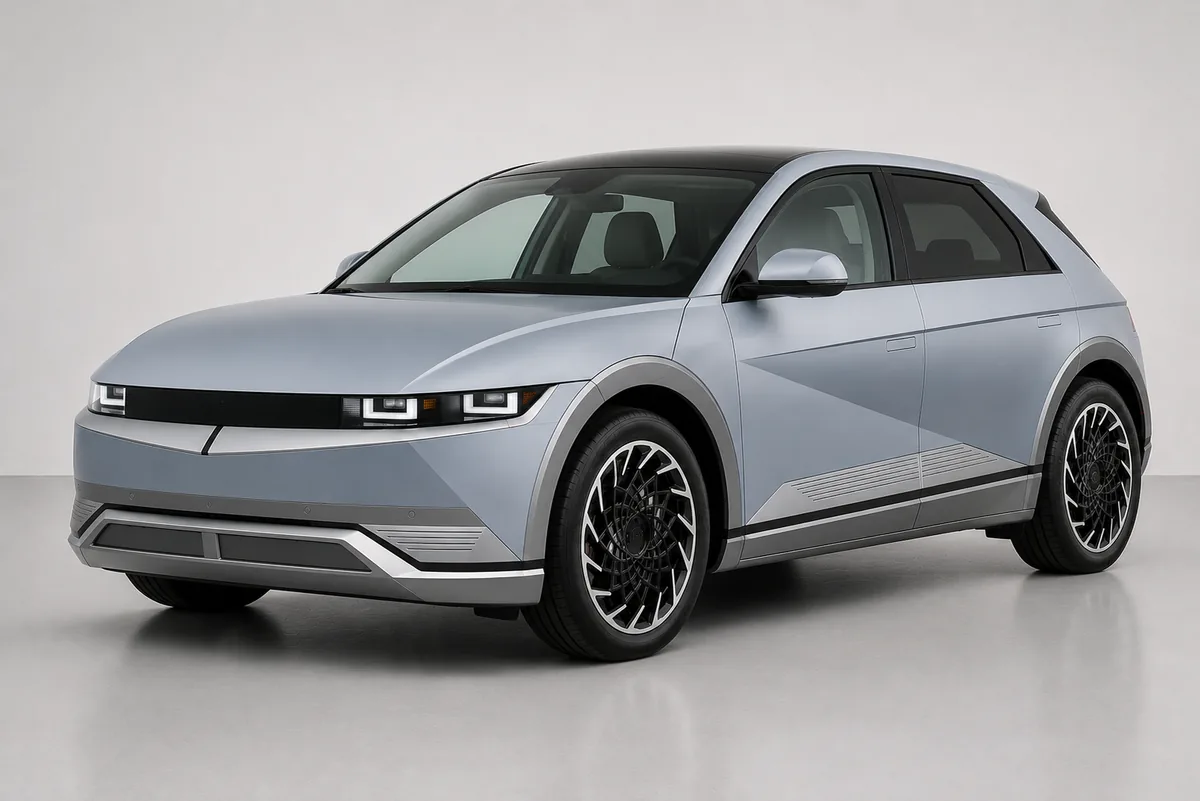
Hyundai IONIQ 5
A design-led crossover with 800-volt architecture for some of the fastest charging on sale.
Pros
- Ultra-fast 800V charging
- Standout retro design
- Generous warranty cover
Cons
- Efficiency trails rivals
- Some road noise at speed
5
Chevrolet Equinox EV
The value pick: the most EPA range per dollar of any vehicle in this guide.
Pros
- Outstanding range for the price
- Available Super Cruise
- Comfortable ride
Cons
- Slower fast charging
- Hard cabin plastics
6
Rivian R1S
A premium three-row adventure SUV with serious range, towing and off-road ability.
Pros
- Seven-seat flexibility
- Genuine off-road capability
- Longest range in this guide
Cons
- Premium price
- Efficiency suffers at highway speed
7
Toyota bZ
Toyota's dependable electric SUV, backed by class-leading standard safety technology.
Pros
- Toyota reliability reputation
- Strong standard safety suite
- Comfortable, quiet cabin
Cons
- Modest EPA range
- Average charging speed
8
Lexus RZ
A hushed, beautifully finished luxury crossover for buyers who prioritize comfort.
Pros
- Serene, premium cabin
- Standard all-wheel drive
- Lexus dealer experience
Cons
- Modest range for the class
- 150 kW peak charging